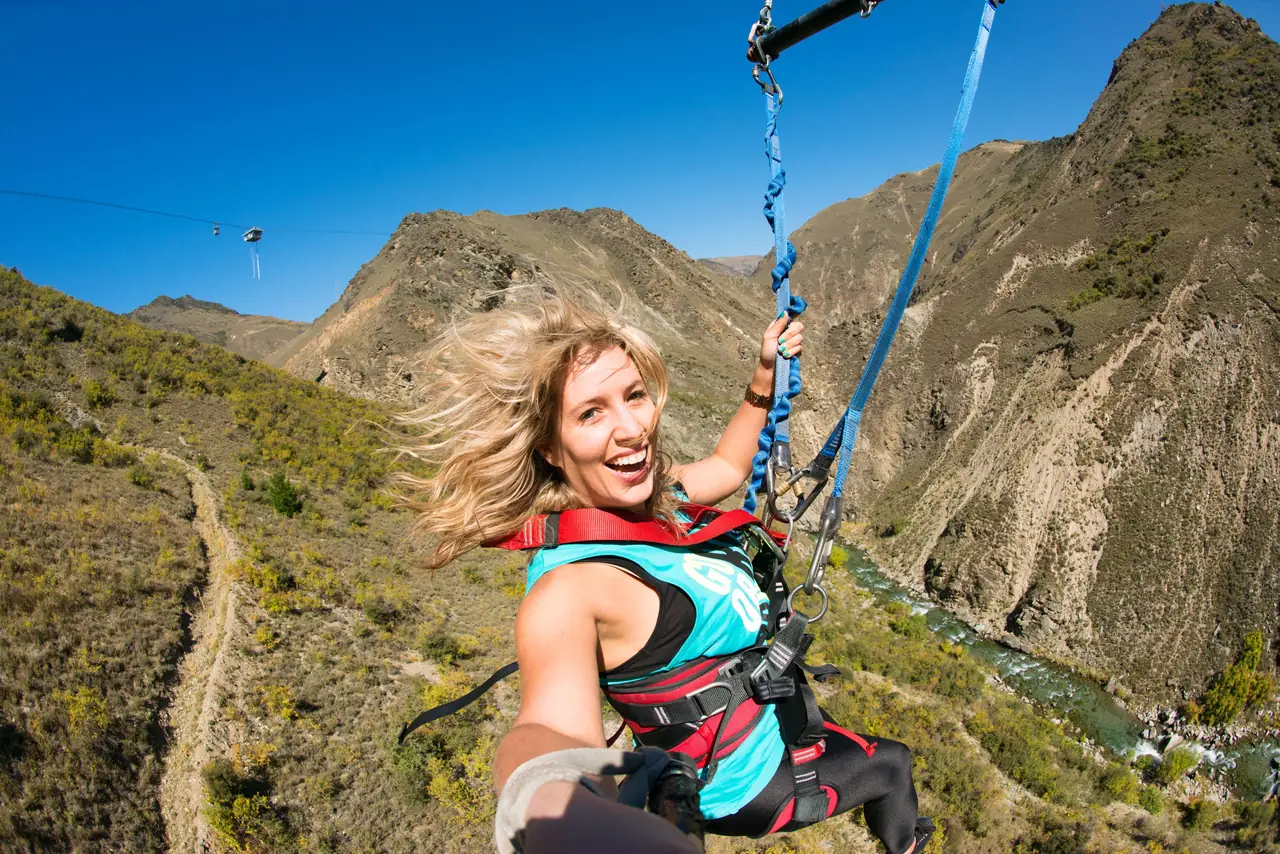
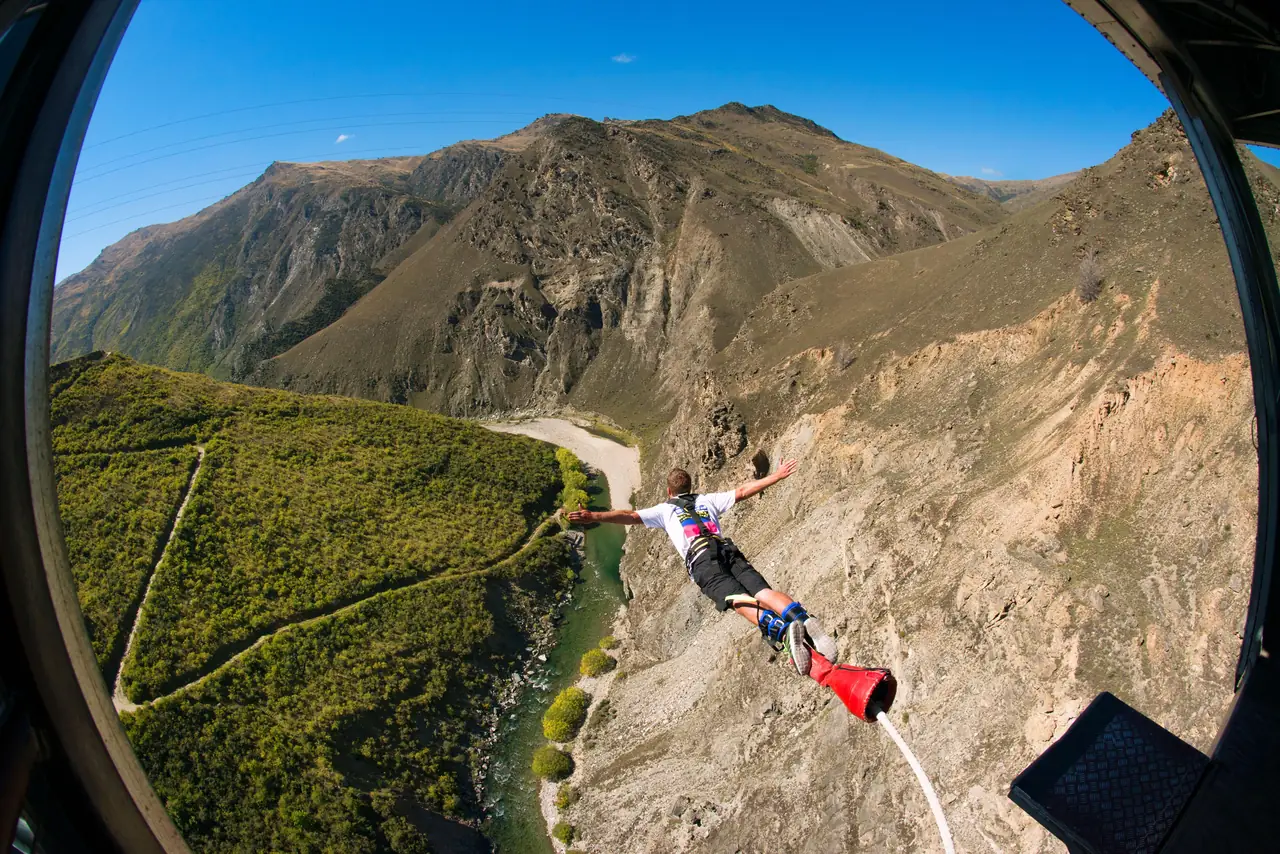
Booking choice: The Nevis Bungy, from $225 per person. Check dates Tour details
Fear and risk aren't the same thing. The Nevis is designed to be terrifying and boring at the same time: terrifying for you, boring for the crew, who check the same clips in the same order hundreds of times a week.
We're not engineers and we won't pretend the risk is zero. What we can do is lay out the record, the system and the rules, and let you decide.
The quick answer
AJ Hackett has run commercial bungy in Queenstown since the Kawarau Bridge opened on 12 November 1988, and more than three million people had jumped at its sites worldwide by 2013, the ODT reported. The company helped write the bungy code of practice that became the Australia and New Zealand standard AS/NZS 5848, and New Zealand adventure operators must pass external safety audits. At the Nevis you're weighed at check-in, matched to a cord, and attached by ankle harness with a body harness as backup. You can't jump if you're pregnant or have photosensitive epilepsy, and osteoporosis, scoliosis or a recent concussion need a doctor's certificate. We found no reported fatality at AJ Hackett's Queenstown sites; the ODT has reported a couple of Nevis Swing scares, both without serious injury.
How long has AJ Hackett been doing this?
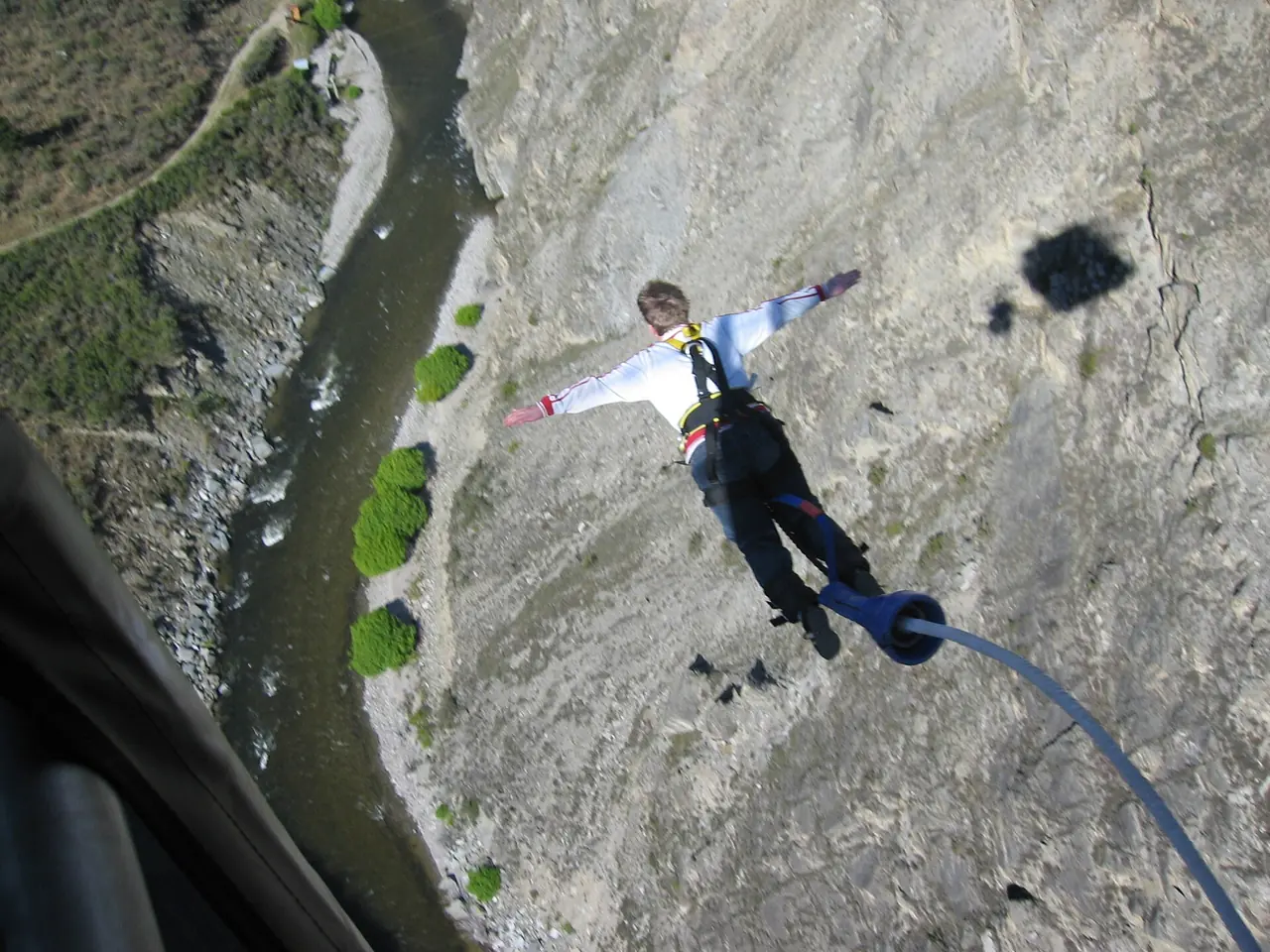
Since 1988. AJ Hackett and Henry van Asch opened the Kawarau Bridge Bungy as the world's first commercial bungy site that November. The Ledge followed in 1997, the Nevis Bungy in 1999, the Nevis Swing (as the Nevis Arc) in late 2008 and the catapult in 2018.
The origin story is a bit wild. Hackett jumped off the Eiffel Tower in June 1987, without asking, and was arrested. Eighteen months later he and van Asch were charging NZ$75 a go off a rusting 1880s bridge in the Kawarau Gorge. Twenty-eight people paid on the first day, according to the ODT.
The early days were loose. Hackett himself described people clambering over the bridge without harnesses as “anarchy”. What changed it was paperwork, and we mean that as a compliment: a first draft of a Bungy Code of Practice in 1989, which grew into AS/NZS 5848, the standard that still regulates bungy here (AJ Hackett timeline).
| Year | What opened | Source |
|---|---|---|
| 1988 | Kawarau Bridge Bungy, 43 m (opened 12 November) | AJ Hackett |
| 1997 | The Ledge Bungy, top of the Skyline gondola | AJ Hackett |
| 1999 | Nevis Highwire Bungy, 134 m | ODT |
| 2008 | Nevis Arc, now the Nevis Swing (launched November) | Asia Travel Tips |
| 2018 | Nevis Catapult (opened 7 August) | 1News |
How do the bungy cords and harnesses work?
Bundles of exposed latex strands, matched to your weight, with an ankle harness as the main attachment and a body harness as backup. Every connection gets checked, and checked again, before you shuffle out.
AJ Hackett makes unbraided cords, the southern-hemisphere style: lots of bare latex strands rather than a braided sheath. Wikipedia notes they give a softer, longer bounce than the braided cords used in much of Europe and the US. Softer is good when your head is the leading edge.
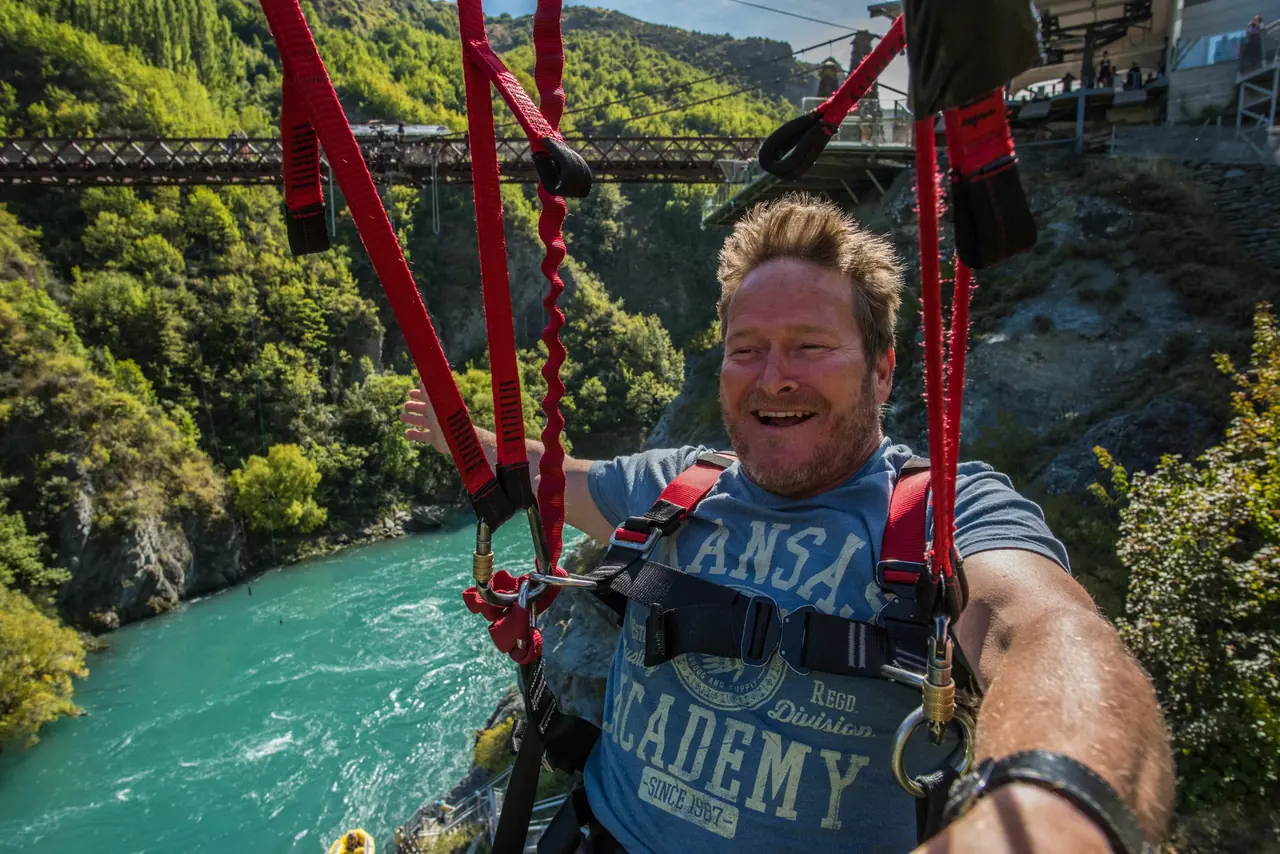
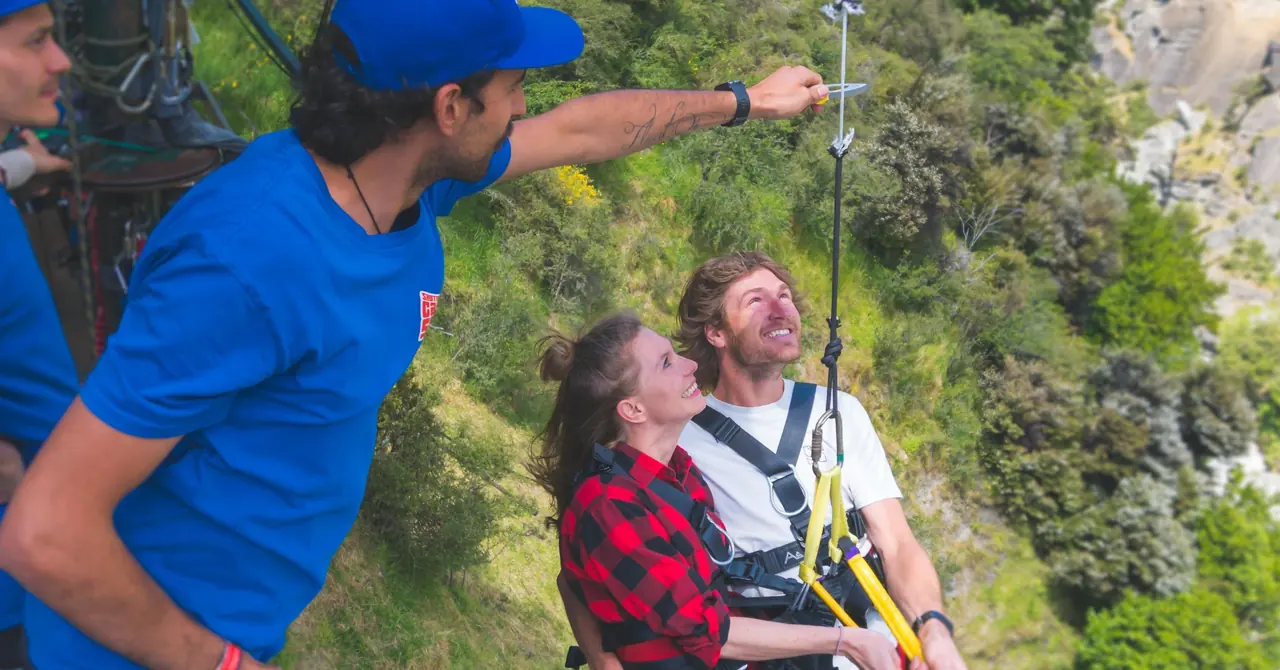
At the Nevis your ankles are wrapped and strapped, the cord clips to that, and a body harness clips in as a second line. Once the bouncing stops you pull a cord that flips you upright into the harness, and a winch hauls you back to the pod. That's the bit that went wrong for Brenda, a Thrillogy reviewer: the release didn't work and she was brought up head down. Unpleasant. Not dangerous, since both attachments were still holding, but worth knowing it can happen.
The crew calls out each check. Ruben from the US, a first-timer at Kawarau, said “the level of checks and balances the whole team displayed brought confidence that I don't have to fear an accident, I just need to jump.” Which is exactly the point.
Why do they weigh you?
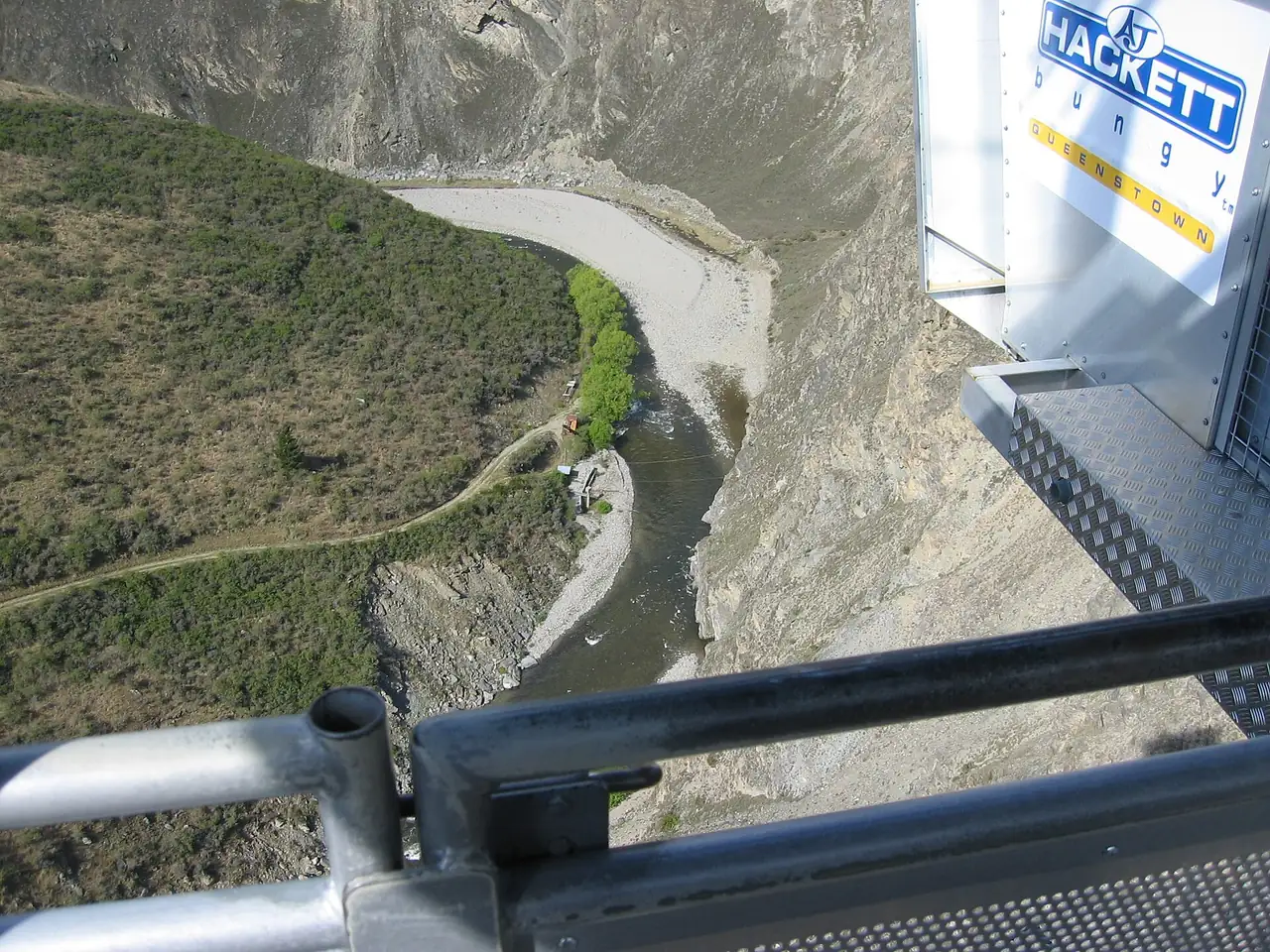
Because the cord has to suit your mass. Your weight decides which cord and settings the crew uses, which is also why the limits (45 to 127 kg for the bungy) are hard rules, not guidelines.
You step on scales at check-in in Queenstown, before the bus, and your weight gets written down and travels with you to the pod. Too light and the cord won't stretch enough to give a safe deceleration curve. Too heavy and you'd stretch it further than it's rated for. Wikipedia's bungy page says the classic cause of fatal accidents worldwide is a cord that's too long for the drop. Matching the cord to the jumper is the whole game.
Don't fudge it. People sometimes do, a few kilos here and there, and the scales don't care. If you're near either limit, read our limits guide before you book, because a refusal at check-in on a GetYourGuide ticket is your problem, not theirs.
Who shouldn't do the Nevis Bungy?
AJ Hackett won't take anyone pregnant or with photosensitive epilepsy, and wants a doctor's certificate for osteoporosis, scoliosis or a recent concussion. A long list of other conditions just needs to be declared to the crew.
The rules, as listed on the AJ Hackett safety page:
| Rule | Conditions |
|---|---|
| Not permitted | Pregnancy; photosensitive epilepsy |
| Doctor's certificate needed | Osteoporosis; scoliosis; recent concussion |
| Tell the crew | High or low blood pressure; heart conditions; epilepsy; high myopia; broken or fractured bones or dislocations; fragile skin; neurological disorders; diabetes; asthma; prosthetics; panic or anxiety attacks; recent sprains or muscle injuries |
| Glasses | May not be allowed. Prescription safety glasses are available free |
| On the day | Be rested, hydrated and fed |
What injuries can bungy cause?
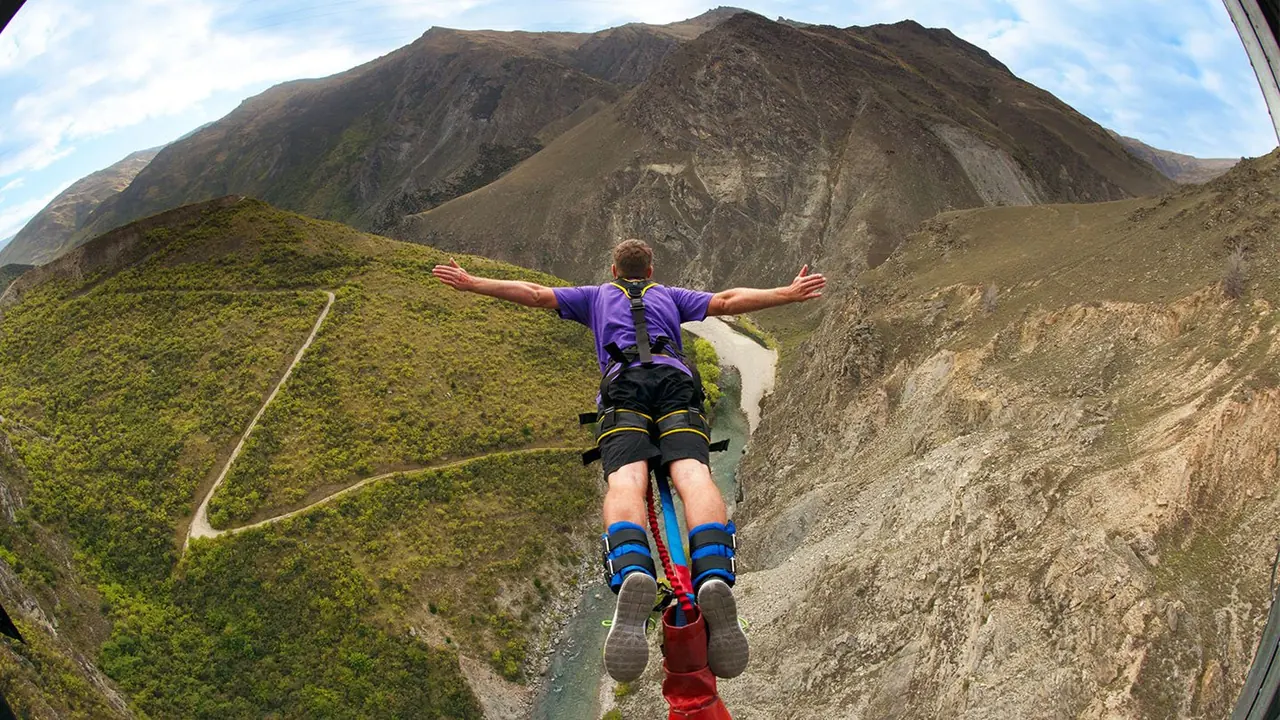
Rarely anything, but the known ones are eye problems (burst blood vessels), whiplash and neck strain, mostly from the sudden pressure at the bottom of the fall. Serious injuries are very rare at regulated sites.
The upside-down rebound pushes blood to your head hard. The most common complaint in medical write-ups, says Wikipedia, is eye trouble: red eyes, the odd burst vessel, usually gone in days or weeks. That's why high myopia is on the declare list. Neck and back strain come next. Do what the crew says about head and arm position. They say it for a reason.
Drink water, eat something, skip the big night out. Hangovers and head-down plunges are a grim combination.
Have there been accidents at Queenstown's bungy and swing sites?
A few scares, no deaths that we could find at AJ Hackett's Queenstown sites. The ODT has reported two Nevis Swing incidents over the years, both without serious injury.
We looked through the ODT, Stuff and the Herald. The two stories that come up are both on the Nevis Swing. In one, two young Australian riders slipped in a loose harness mid-swing; neither was hurt and the company called in external investigators (ODT). In the other, a release bar let go after a tandem swing and a rider was left hanging about a metre below the pod on safety lines, while a crew member was knocked off the deck and hoisted back. The site closed for the day; WorkSafe judged it non-notifiable because there was no risk of serious harm (ODT).
Both were frightening for the people involved. Both also show backup lines doing their job.
The bungy horror stories you may have seen, like the cord that snapped at Victoria Falls on the last day of 2011, happened elsewhere, with other operators. New Zealand requires adventure operators to register with WorkSafe and pass regular external safety audits. That regime, plus the AS/NZS standard, is the real reason we'd jump here without much worry.
Plenty of jumpers say they felt looked after. Julie from Denmark: “Crazy experience, felt really safe all the way through.” Liu Wai from Hong Kong found the process “both safe and thrilling”.
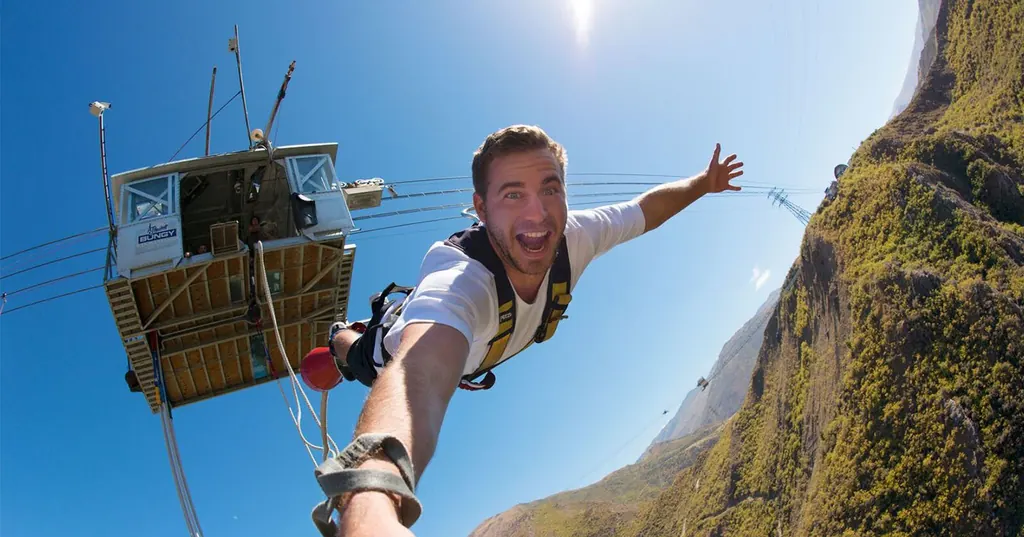
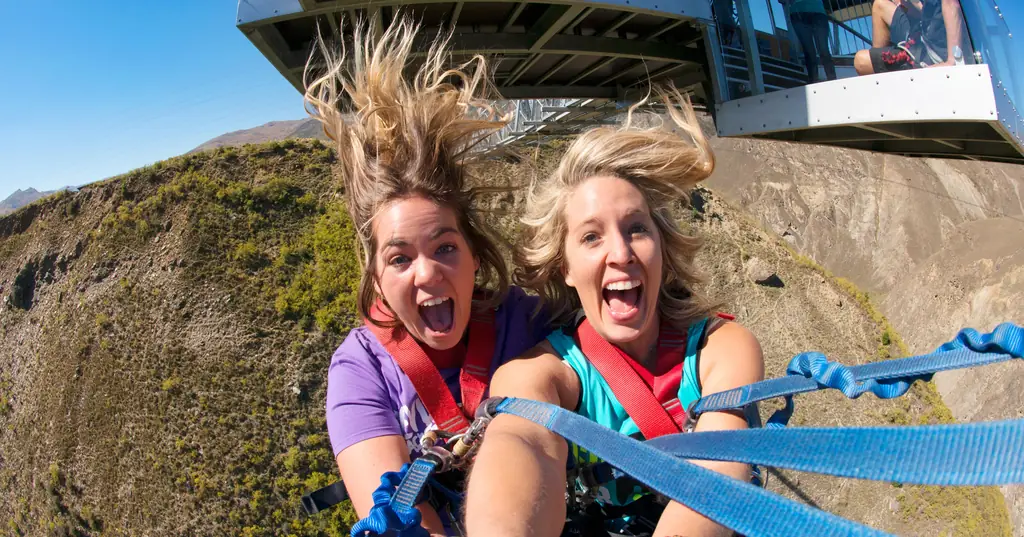
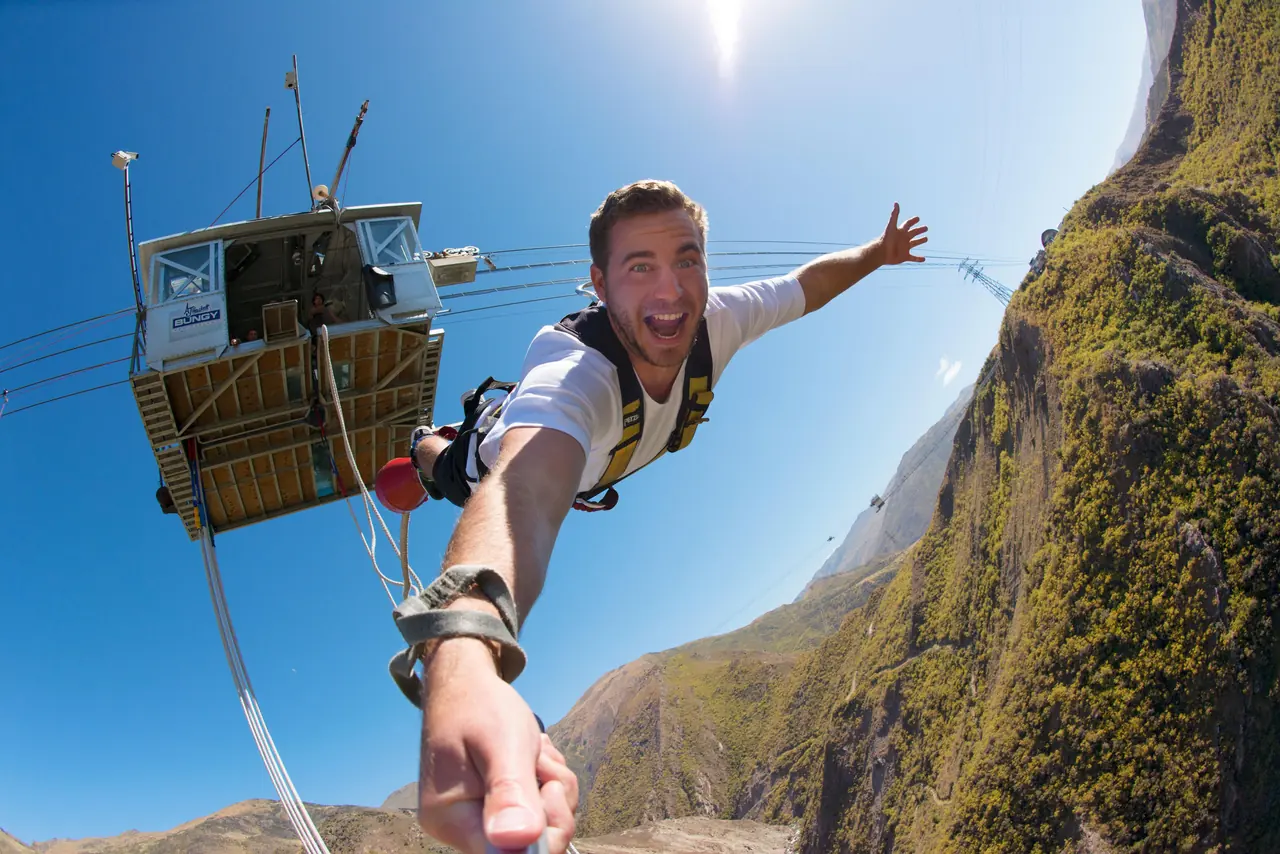
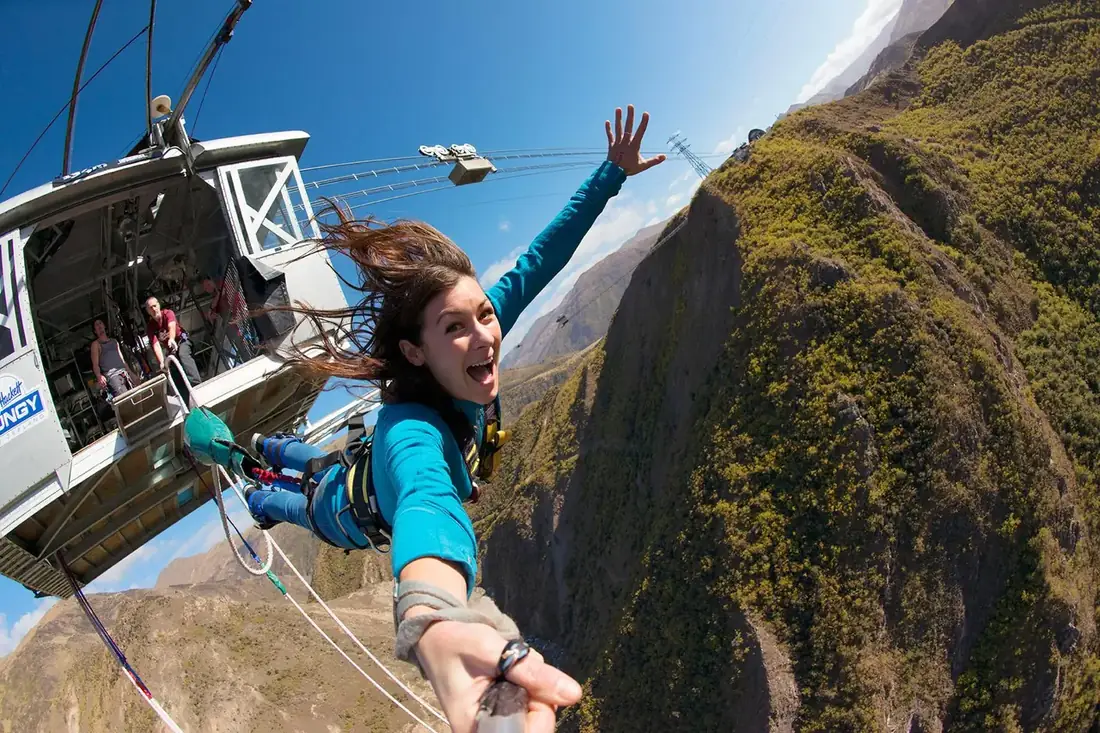
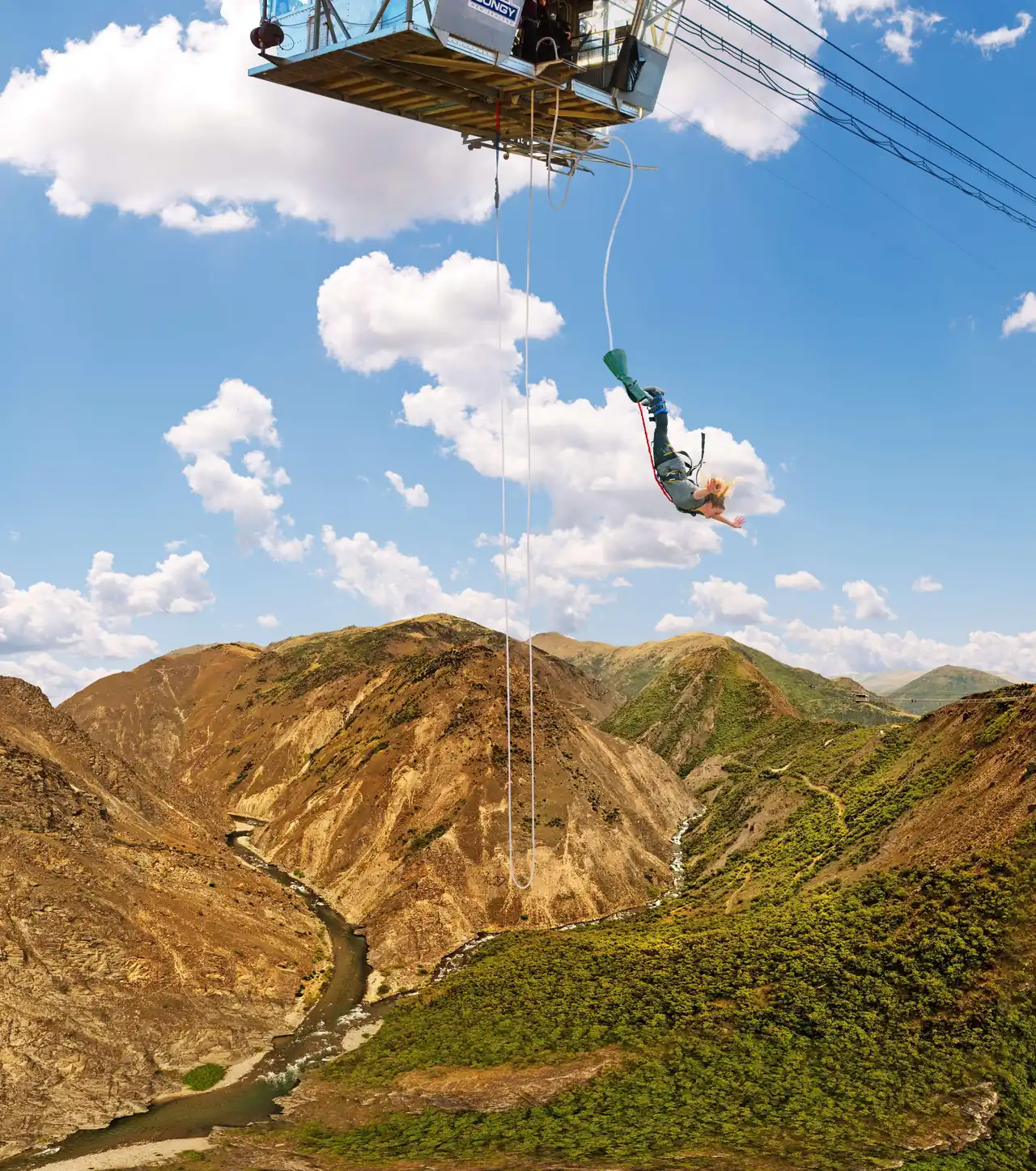
New Zealand's highest bungy, run by the company that started commercial bungy: the 4WD bus, the cable car to the pod, 134 m, and photos and video included.
Check dates Tour detailsFrequently asked questions
Has anyone died at the Nevis Bungy?
We found no reported fatality at the Nevis Bungy or at AJ Hackett's other Queenstown sites since the company started in 1988. The ODT has reported a couple of Nevis Swing incidents, neither causing serious injury.
How do they know which bungy cord to use?
You're weighed at check-in and the crew matches the cord and settings to your weight. That's why the Nevis Bungy limits of 45 to 127 kg are strict.
Who can't do the Nevis Bungy?
Anyone pregnant or with photosensitive epilepsy, under 13, or outside 45 to 127 kg. Osteoporosis, scoliosis or a recent concussion need a doctor's certificate.
Is bungy bad for your eyes or back?
It can strain both. Red eyes or small burst blood vessels and neck strain are the most common complaints. Tell the crew about high myopia, back problems or recent injuries.
Is the Nevis Bungy regulated?
Yes. Bungy in New Zealand follows the AS/NZS 5848 standard, and adventure activity operators must register with WorkSafe and pass external safety audits.
Ready to book
Choose your jump
Free cancellation up to 24 hours before on every option. Prices are from-prices in USD and move with the season.
Nevis Bungy 134m
- The Nevis Bungy jump from the pod
- Photos and video of your jump
- Return 4WD Bungy Bus from Queenstown (or the Kawarau Bungy Centre)
Kawarau Bridge Bungy
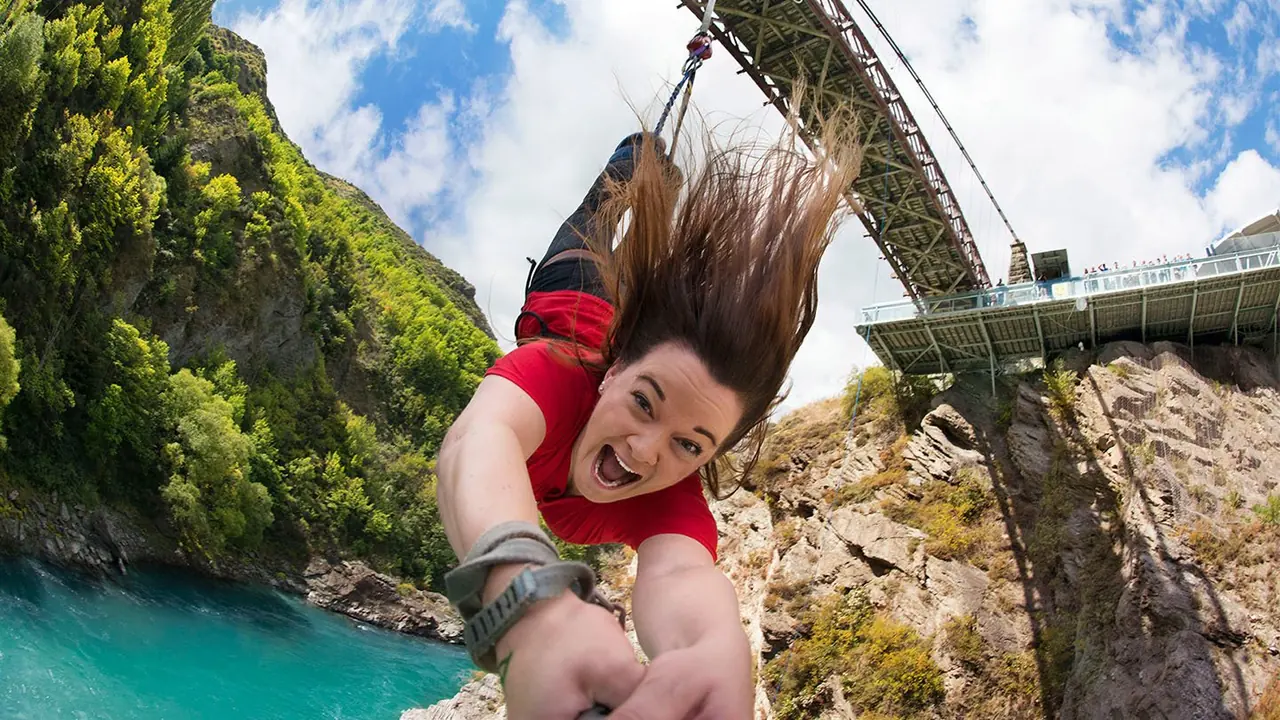
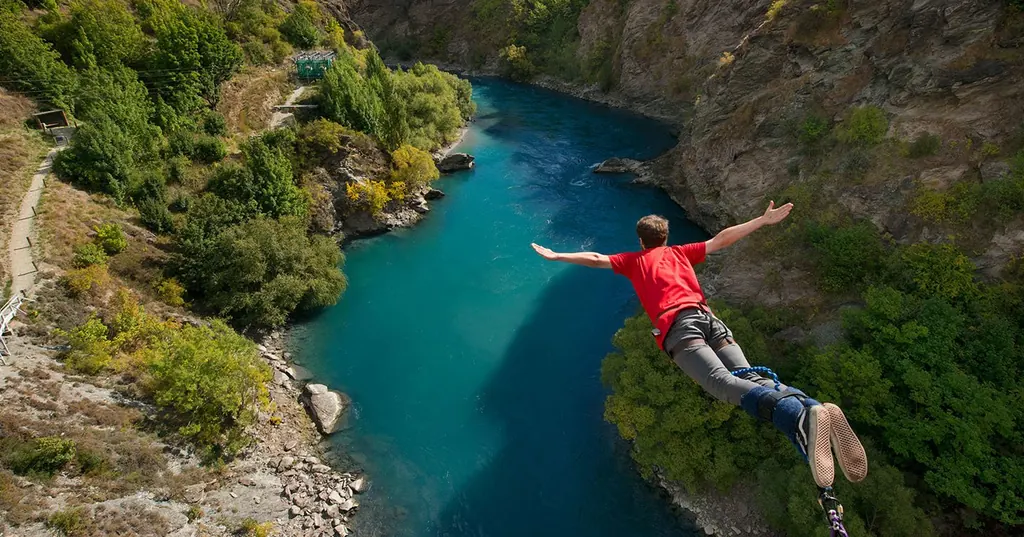
- Kawarau Bridge Bungy, solo or tandem, water touch optional
- Photos and video
- Free transport from central Queenstown, or self drive